
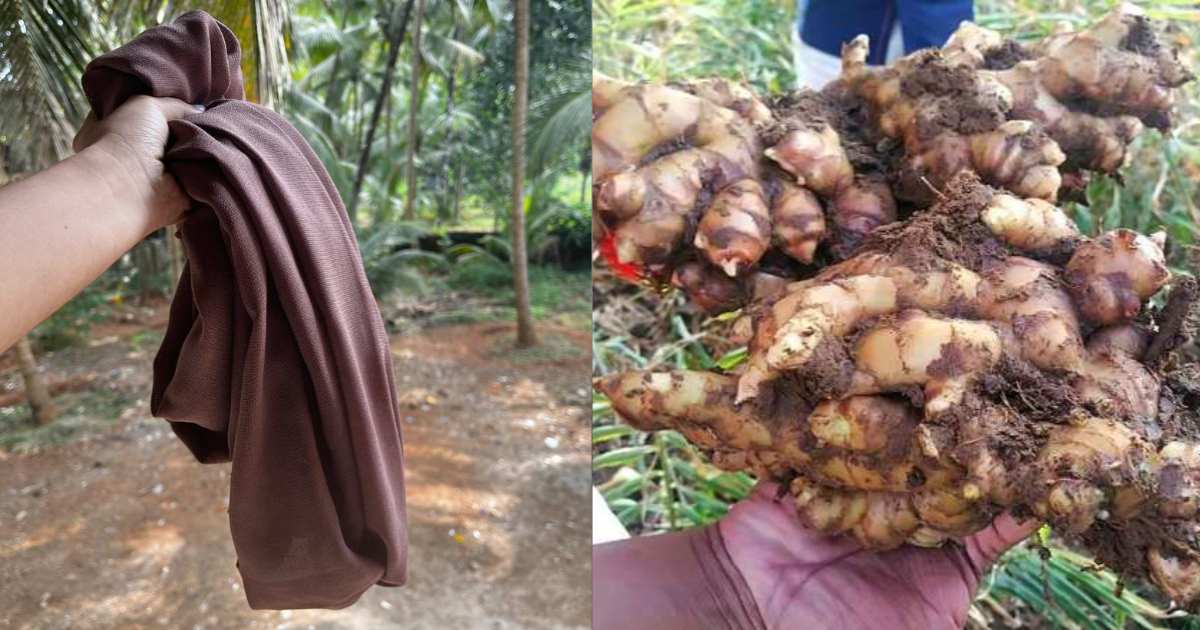
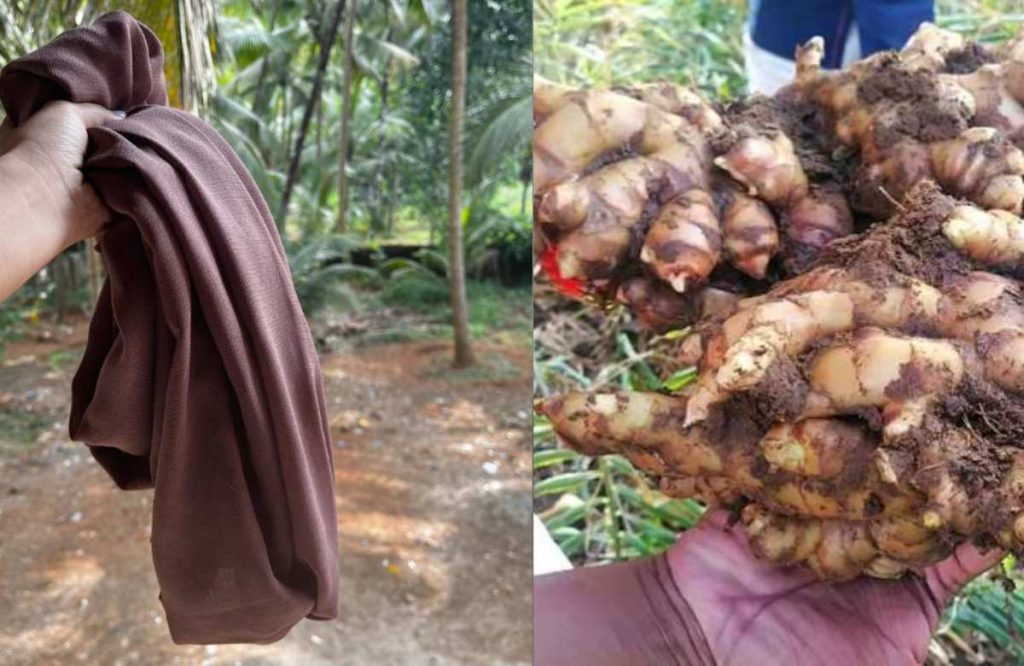
വീട്ടിൽ ഒരു കഷ്ണം പഴയ തുണി ഉണ്ടോ ? ഇനി ഇഞ്ചി പറിച്ച് മടുക്കും..! ഒരു ചെറിയ ഇഞ്ചി കഷണത്തിൽ നിന്നും കിലോ കണക്കിന് ഇഞ്ചി പറിക്കാം | Ginger farming Tips Using old Cloth
Ginger farming Tips Using old Cloth

Ginger farmingTips Using old Cloth: അടുക്കള ആവശ്യങ്ങൾക്കുള്ള ഇഞ്ചി വീട്ടിൽ തന്നെ വളർത്തിയെടുക്കാൻ സാധിക്കുകയാണെങ്കിൽ അത് നല്ല കാര്യമാണ്. കാരണം കടകളിൽ നിന്നും ലഭിക്കുന്ന ഇഞ്ചി ഏതുരീതിയിൽ കൃഷി ചെയ്തെടുത്തതാണെന്ന് നമുക്ക് അറിയാൻ സാധിക്കുകയില്ല. എന്നാൽ സ്ഥലപരിമിതി പ്രശ്നമായിട്ടുള്ളവർക്ക് ഇഞ്ചി എങ്ങിനെ വീട്ടിൽ വളർത്തിയെടുക്കാൻ സാധിക്കുമെന്ന്
അറിയുന്നുണ്ടാവില്ല. അതേപ്പറ്റി വിശദമായി മനസ്സിലാക്കാം. ഇഞ്ചി വീട്ടിൽ തന്നെ കൃഷി ചെയ്തെടുക്കാൻ വളരെ എളുപ്പമാണ്. അതിനായി ഒരു പോട്ട് അല്ലെങ്കിൽ വക്കു പൊട്ടിയ ബക്കറ്റ്, പ്ലാസ്റ്റിക് ചാക്ക് എന്നിവയിൽ ഏതു വേണമെങ്കിലും ഉപയോഗിക്കാവുന്നതാണ്. ആദ്യം തന്നെ ഇഞ്ചി വളർത്തിയെടുക്കാൻ ആവശ്യമായ പോട്ട് മിക്സ് തയ്യാറാക്കണം. അതിനായി പപ്പായയുടെ ഇല അതല്ലെങ്കിൽ ശീമ കൊന്നയുടെ ഇല എന്നിവ
ഉപയോഗിക്കാവുന്നതാണ്. അതോടൊപ്പം തന്നെ നടാനായി ഉപയോഗിക്കുന്ന മണ്ണിൽ ജൈവരീതികൾ പ്രയോഗിച്ചു തയ്യാറാക്കുന്ന വളങ്ങൾ കൂടി ചേർത്തു കൊടുക്കാവുന്നതാണ്. ഇങ്ങനെ ചെയ്യുമ്പോൾ ഇഞ്ചിയുടെ വളർച്ച നല്ല രീതിയിൽ കാണാനായി സാധിക്കും. അടുക്കള വേസ്റ്റിൽ നിന്നും ലഭിക്കുന്ന ഉള്ളി തോൽ, ചക്കയുടെ മടൽ, മീനിന്റെ തല എന്നിവയെല്ലാം ജൈവവളത്തിനായി ഉപയോഗപ്പെടുത്താം. അതുപോലെ
ഇഞ്ചി വളർത്തുന്നതിന് മുൻപായി ചെറുതായി മുളപ്പിച്ചെടുക്കേണ്ടതുണ്ട്. അതിനായി ഒരു നനഞ്ഞ തുണിയിൽ ഇഞ്ചി കുറച്ചുദിവസം പൊതിഞ്ഞു സൂക്ഷിച്ചാൽ മതി. ഇങ്ങനെ ചെയ്യുമ്പോൾ ഇഞ്ചിയിൽ നിന്നും മുളകൾ വന്നു തുടങ്ങുന്നതാണ്. ഇഞ്ചി നടുന്നതിനു മുൻപായി പോട്ടെടുത്ത് അതിന്റെ ഏറ്റവും താഴെ ഭാഗത്ത് ഇലകൾ ഫിൽ ചെയ്തുകൊടുക്കുക. മുകളിൽ പോട്ട് മിക്സ് ഇട്ട് ഫിൽ ചെയ്ത ശേഷം അതിലാണ് മുളപ്പിച്ച ഇഞ്ചി നട്ടു കൊടുക്കേണ്ടത്. വീണ്ടും മുകളിലായി കുറച്ചുകൂടി മണ്ണിട്ട് ഫിൽ ചെയ്തു കൊടുക്കണം. Video Credit : POPPY HAPPY VLOGS
Here are safe, simple, non-technical ginger farming tips suitable for home growers or small farmers:
🌱 1. Climate & Location
- Ginger prefers warm, humid weather.
- It grows best in partial shade—too much direct sun can stress the plant.
- Ideal in places with light rainfall and moist air.
🌿 2. Soil Tips
- Soil should be loose, well-drained, and rich in organic matter.
- Slightly loamy or sandy-loam soils are ideal.
- Avoid waterlogged spots—ginger dislikes standing water.
🌾 3. Planting Basics
- Use healthy, disease-free seed rhizomes from a trusted source.
- Choose pieces with firm texture and visible “eyes” (buds).
- Plant after the first good rains or when soil is warm.
💧 4. Watering
- Keep the soil evenly moist, especially during early growth.
- Avoid overwatering—consistent but moderate moisture is the key.
- Watering early in the day helps reduce fungal stress.
🍂 5. Mulching
- Mulch keeps soil moist, cool, and helps reduce weeds.
- Coconut leaves, straw, dried grass, or other light organic mulches work well.
🌱 6. Nutrition
- Ginger loves organic matter.
- Well-rotted compost improves soil structure and supports steady growth.
- Light, periodic feeding during the growth period helps healthy rhizome formation.
🛡️ 7. Pest & Disease Awareness
(High-level, safe suggestions only)
- Keep the field clean and remove dried or infected leaves.
- Good airflow and proper spacing help reduce fungal problems.
- Avoid water stagnation to prevent root issues.
🌾 8. Harvesting
- Ginger is usually ready when leaves turn yellow and begin to dry.
- Harvest gently to avoid bruising the rhizomes.
🌿 Want specific guidance?
Tell me:
- Your location
- Whether you’re growing ginger in pots or open land
- Any problem symptoms (yellowing leaves, spots, slow growth, etc.)
I can then give you more tailored, safe advice.
